

Mary Alexander Warns San Francisco Faces More Fire Risks Than Many Residents Realize
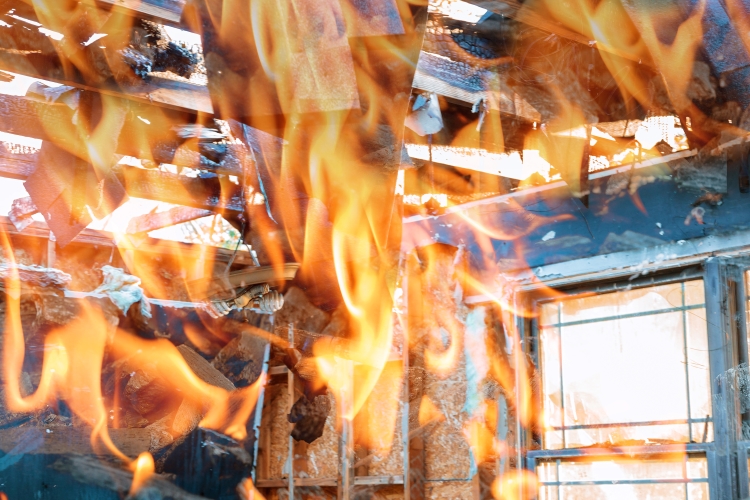 San Francisco’s cool climate and coastal fog can create a false sense of security about fire danger. The city may face less wildfire risk than many parts of California, but serious hazards remain inside apartment buildings, hotels, businesses, warehouses and densely built residential neighborhoods.
A June 2026 San Francisco Civil Grand Jury report warned that the city’s wildfire risk, while comparatively low, is not zero. Hilly terrain, seasonal Diablo winds, dry vegetation and wood-framed buildings constructed close together can allow a fire to spread rapidly. Inside buildings, aging electrical systems, damaged lithium-ion batteries, missing smoke alarms and blocked exits can turn an otherwise containable fire into a catastrophe.
Property owners, landlords and businesses must take reasonable steps to identify and correct dangerous conditions. When they ignore known fire hazards, the consequences can include severe burns, smoke inhalation, permanent disability, displacement and death.
Lithium-Ion Batteries Present a Growing Fire Threat
Electric bicycles, scooters, skateboards and other battery-powered devices have become common throughout San Francisco. Unfortunately, the lithium-ion batteries that power these devices can ignite when manufacturers produce them improperly or users charge them with incompatible equipment.
The San Francisco Fire Department reports a dramatic increase in fires involving lithium-ion batteries. These fires can spread rapidly, release toxic smoke and prove difficult to extinguish. A damaged battery may enter thermal runaway, a chain reaction that causes the battery to heat uncontrollably and ignite nearby materials.
San Francisco adopted specific rules for storing and charging powered mobility devices. The city requires safety-certified devices and prohibits charging them through extension cords or power strips. Residents must use the original batteries and chargers supplied by the manufacturer. The city also prohibits reconditioned lithium-ion batteries for powered mobility devices.
Property owners and building managers should not ignore residents who report batteries charging in hallways, stairwells or other escape routes. Businesses that rent, repair or store electric bicycles and scooters must also follow applicable safety requirements. A fire involving an uncertified battery, an unsafe charging area or an overloaded electrical system may raise questions about several potentially responsible parties.
Missing or Defective Smoke Alarms
A working smoke alarm can provide the warning residents need to escape before smoke and flames block their path. California law requires approved smoke alarms in residential properties, and landlords carry important responsibilities related to their installation and maintenance.
A property owner may create a serious hazard by:
- Failing to install required smoke alarms
- Ignoring reports of malfunctioning alarms
- Removing alarms during construction or renovation
- Failing to replace outdated equipment
- Painting over or obstructing detectors
- Neglecting alarm systems in common areas
Tenants should report defective alarms in writing and retain a copy of the notice. Property managers should investigate those reports immediately rather than waiting for the next scheduled inspection.
Blocked Exits and Unsafe Escape Routes
Residents may have only seconds to escape a burning building. Locked doors, cluttered stairwells, illegally converted rooms and obstructed fire escapes can trap people inside.
Landlords and business owners should keep required exits accessible and clearly marked. They should also inspect fire doors, emergency lighting and exterior escape routes. A door that requires a key to open from inside, a fire escape that no longer functions or storage placed in a hallway can delay an evacuation when every second matters.
Overcrowding can create additional dangers. Unauthorized room divisions and illegal residential conversions may increase the number of occupants without adding safe exits, smoke alarms or adequate electrical capacity. These conditions can also prevent firefighters from understanding a building’s layout during rescue operations.
Faulty Wiring and Deferred Maintenance
Many preventable building fires begin with electrical problems. Worn wiring, overloaded outlets, damaged appliances and poorly performed renovations can ignite walls, floors and furniture.
Warning signs may include:
- Frequently tripped circuit breakers
- Sparks or buzzing sounds near outlets
- Warm or discolored wall plates
- Flickering lights
- Burning odors
- Exposed wiring
- Repeated use of extension cords as permanent wiring
Property owners should use qualified professionals to inspect and repair electrical systems. A landlord who repeatedly resets a breaker without investigating the cause may leave tenants exposed to a dangerous condition. Contractors and product manufacturers may also bear responsibility when defective work or equipment starts a fire.
San Francisco’s Outdoor Fire Risk Deserves Attention
San Francisco does not experience the same wildfire conditions as many inland communities, but several neighborhoods sit near steep hillsides, grasslands, wooded parks and other areas where vegetation fires can spread.
The 2026 Civil Grand Jury report identified particular concerns involving Glen Canyon and other wildland-urban interface areas. The report cited dry vegetation, aging eucalyptus trees, difficult terrain, limited access and fragmented responsibility among city agencies. It also found that San Francisco’s District 8 recorded hundreds of grass or outdoor fire calls between January 2022 and January 2026.
During Red Flag Warnings, dry vegetation and strong winds can carry embers toward nearby homes. Property owners near open spaces should remove dead vegetation, clear combustible debris and address dangerous trees where legally permitted. Public agencies responsible for vegetation management must also take fire risks seriously, although claims involving government entities follow special procedural rules and often require early action.
When Can a Property Owner Face Liability for a Fire?
Not every fire results from negligence. Investigators must determine where the fire started, what caused it and whether someone could have prevented it.
A premises-liability claim may arise when a property owner, landlord, tenant, business or other party controlled a dangerous condition and failed to use reasonable care. Relevant evidence may show that the responsible party:
- Knew about a fire hazard but failed to correct it
- Should have discovered the hazard through a reasonable inspection
- Violated applicable fire or building codes
- Failed to maintain alarms, sprinklers or electrical systems
- Blocked or permitted others to block required exits
- Allowed dangerous storage or charging practices
- Performed or approved unsafe construction work
Other potentially responsible parties may include contractors, utility companies, equipment manufacturers, event operators and public entities. Identifying every responsible party becomes especially important when a fire causes widespread injuries or property damage.
What Should You Do After a Serious Fire?
Seek medical care immediately for burns, breathing problems, dizziness, headaches or other symptoms. Smoke exposure can cause significant injury even when a person does not suffer visible burns.
When it is safe, photograph the property, exits, alarms, appliances, electrical equipment and damaged personal belongings. Preserve communications with landlords, property managers and insurers. Keep receipts for temporary housing, transportation, medical treatment and replacement necessities.
Avoid discarding potentially important evidence until investigators and attorneys have had an opportunity to examine it. Fire scenes can change quickly during cleanup and reconstruction, and damaged products may contain evidence that identifies the cause.
Speak With a San Francisco Fire Claims Attorney
A serious fire can leave victims facing painful injuries, lost income, destroyed property and long-term emotional trauma. Insurance companies may begin investigating immediately, but their interests may differ from those of the people who suffered the loss.
Mary Alexander & Associates, P.C. represents people injured by dangerous property conditions and catastrophic fires. Our attorneys can investigate the origin of a fire, identify potentially responsible parties and pursue compensation for medical expenses, lost earnings, pain and suffering, property losses and other damages.
Contact Mary Alexander & Associates for a free consultation if a fire injured you or killed a member of your family.
| Learn more about San Francisco fire claims at maryalexanderlaw.com |
Attorney Advertising Disclaimer
This article provides general information and does not constitute legal advice. Every case depends on its specific facts and applicable law. Reading this article or contacting the firm does not create an attorney-client relationship.
Sources and Editorial References
- San Francisco Fire Department: Lithium-Ion Battery Safety
- San Francisco Civil Grand Jury: Red Flag Warning – Wildfire Risk in San Francisco’s Glen Canyon (June 2026)
- California Health and Safety Code Section 13113.8
- Mary Alexander & Associates: San Francisco Fire Claims
